Celebrating the Winter Solstice: Traditions from Around the World
WINTER SOLSTICE AROUND THE WORLD

For centuries, people across the globe have observed this astronomical event through celebrations and rituals that reflect a shared appreciation for nature, renewal, and hope. Here’s a glimpse into some of the fascinating winter solstice traditions from different cultures.
1. Yule – Northern Europe

Historically, the ancient Norse would light bonfires, tell stories, and feast
to welcome the sun's return.
One of the most well-known traditions is the Yule log, a large log burned to celebrate warmth and light. Originally, people would burn a whole tree in their hearth, beginning on the solstice and letting it slowly burn for the following 12 days.
Today, Yule log cakes have become a symbolic dessert enjoyed during
Christmas celebrations in many Western countries. Decorated with edible
"bark" and snow-like powdered sugar, the cake is a sweet reminder of
this ancient practice.
2. Dongzhi – China and East Asia

Tangyuan, or glutinous rice balls, is a traditional food enjoyed during Dongzhi, symbolizing family unity and prosperity.
The round shape of tangyuan represents harmony and reunion, and the
sweet, colorful balls are often served in a warm broth. Dongzhi is also associated
with the Yin and Yang philosophy, where darkness reaches its peak and
will soon give way to the light, signifying balance and harmony in life.
3. Soyal – Hopi Tribe, Southwestern United States

The Soyal ceremony is a deeply spiritual event marking the renewal of
life and the strengthening of community bonds.
One of the central rituals includes creating and blessing prayer sticks that represent the hopes and prayers of the community for the coming year.
The Hopi believe
that during the solstice, the sun’s journey back toward the earth begins,
ensuring the growth of crops and life in the coming year. Soyal is an important
spiritual tradition that honors the Earth’s cycles and celebrates gratitude and
renewal.
4. Shab-e Yalda – Iran

Yalda Night is an occasion for
family gatherings, poetry readings, and the sharing of fruits and nuts.
Traditionally, people stay up late, sharing stories and reciting poetry from
famous Persian poets like Hafez.
Eating pomegranates
and watermelon is a unique Yalda tradition, as the red color symbolizes
the sun and the light's triumph over darkness. This night of celebration marks
a victory for the warmth of the sun, as each day will become slightly longer
from this point forward.
5. Inti Raymi – Peru and the Andean Regions

On the winter solstice in June, residents of Cusco, Peru, and nearby Andean regions pay homage to Inti with ceremonial dances, traditional clothing, and offerings to thank the Sun for returning to provide warmth and fertility to their land.
In the Andean worldview, this ritual represents a renewal of life and a
connection to their ancient roots, acknowledging the Earth’s cycles and its
impact on their agricultural calendar.
6. Saturnalia – Ancient Rome

During Saturnalia, social norms were relaxed, with servants sometimes switching roles with their masters, and celebrations spilling into the streets.
People
decorated their homes with wreaths and candles to welcome longer days and the
promise of spring planting. The spirit of Saturnalia lives on in many Christmas
traditions, such as feasting, gift-giving, and celebrating with loved ones.
7. Korochun – Slavic Traditions in Eastern Europe

People would light fires to keep away spirits and to
symbolically welcome the Sun back.
Some
Slavic traditions also include preparing kutia, a sweet wheat or barley
dish symbolizing fertility and the hope for a good harvest. Today, this
tradition has melded with Orthodox Christian customs, and some elements of
Korochun continue to appear in Eastern European Christmas and New Year
celebrations.
8. Stonehenge Gatherings – United Kingdom

Stonehenge’s alignment with the solstice sunrise and sunset has fascinated visitors for centuries, making it a powerful gathering point for those who feel a spiritual connection to nature and the Sun’s journey.
On December 21, druids, pagans, and
spectators come together at dawn to watch the first rays of sunlight align with
the stones, welcoming the return of light and symbolizing renewal.
Conclusion
The
winter solstice is a moment when cultures worldwide come together to honor the
changing seasons, the power of light, and the cycle of nature. Whether through
feasting, dancing, gathering, or reflection, these traditions celebrate
survival, renewal, and gratitude. As the shortest day gives way to longer
daylight, the winter solstice reminds us of the resilience and beauty of life
in all its forms.
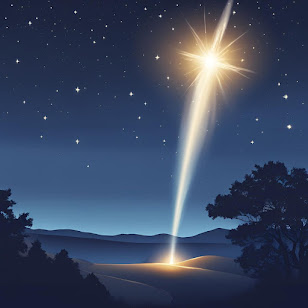
NOTE: All pictures were generated by AI and for illustrative purposes only.


Comments
Post a Comment